
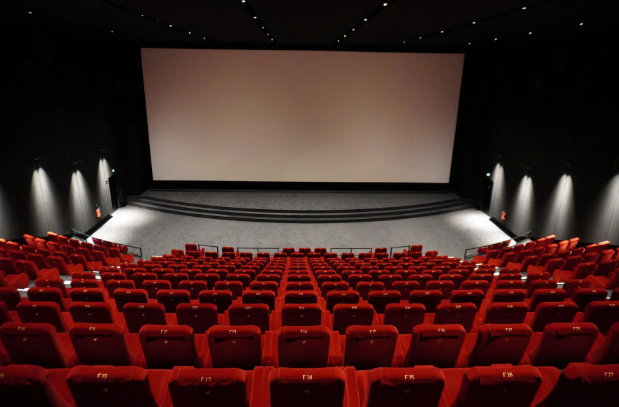
Cinema has transformed dramatically from traditional film reels to today’s immersive digital experiences. Modern audiences https://lafayettetdclub.org/ expect more than just watching a movie; they want emotion, interaction, and immersion. The film industry continues to evolve through new storytelling methods and advanced technology. These changes are reshaping how movies are produced, distributed, and enjoyed. Cinema is no longer just entertainment, it has become a full sensory experience.
Digital Projection and Visual Innovation
One of the biggest shifts in modern cinema is the move from analog film to digital projection. Digital systems offer sharper images, brighter colors, and more consistent quality. Advanced formats such as 4K and 8K resolution enhance visual clarity. High dynamic range technology improves contrast and realism. These innovations allow filmmakers to present stories with greater visual impact. The result is a more immersive and lifelike viewing experience.
Rise of Streaming and Hybrid Releases
Streaming platforms have significantly changed how audiences consume movies. Viewers now have access to films anytime and anywhere through digital devices. Many studios adopt hybrid release models, launching movies in cinemas and on streaming platforms simultaneously. This shift provides greater flexibility for audiences and expands global reach. However, it also challenges traditional cinema attendance. The balance between theatrical and digital releases continues to evolve. Modern cinema is not only about visuals but also powerful sound experiences. Advanced surround sound systems create realistic audio environments. Technologies like Dolby Atmos add depth and movement to sound effects. This allows audiences to feel more connected to the story. Sound design has become a key element in storytelling, enhancing emotional impact and tension. Immersive audio transforms movie watching into a multi-dimensional experience.
Advanced Storytelling Techniques
Contemporary filmmakers use innovative storytelling structures to engage audiences. Non-linear narratives, multiple perspectives, and interactive elements are becoming more common. Characters are developed with deeper emotional complexity. Storylines often reflect real-world issues and diverse cultures. This approach creates more meaningful and relatable content. Modern cinema focuses on both entertainment and emotional connection. Movie theaters are evolving to compete with home entertainment systems. Luxury seating, recliner chairs, and premium viewing environments are now standard in many cinemas. Some theaters offer dining services and personalized experiences. Large-format screens and IMAX technology enhance visual immersion. These improvements aim to make cinema visits more special and memorable. The theater experience is becoming more premium and experiential.
The Impact of Visual Effects Technology
Visual effects (VFX) play a major role in modern filmmaking. CGI allows creators to build worlds that were previously impossible to film. Realistic animations and digital environments enhance storytelling possibilities. Motion capture technology brings characters to life with detailed expressions. These tools help filmmakers push creative boundaries. VFX has become an essential part of blockbuster cinema production. Social media has changed how audiences interact with movies. Trailers, teasers, and fan discussions spread quickly online. Viewer feedback can influence marketing strategies and even production decisions. Fans now play an active role in shaping movie popularity. Online platforms also help independent films gain visibility. Audience engagement has become a powerful force in the film industry.
Globalization of Film Industry
Cinema is no longer limited by geography. International collaborations are becoming more common in film production. Movies now reach global audiences through digital distribution. Different cultures influence storytelling styles and themes. Subtitles and dubbing make films accessible worldwide. This globalization expands creative diversity in cinema. The future of cinema will likely blend physical and digital experiences even more closely. Virtual reality and augmented reality may introduce interactive storytelling. Artificial intelligence could assist in scriptwriting and production planning. Personalized viewing experiences may become more common. Cinema will continue evolving as technology and creativity advance together.