
A Chinese restaurant can offer far more than a place to enjoy a familiar Asian meal. Chinese cuisine https://www.newhongkongchineserestaurant.com/ brings together centuries of culinary traditions, regional specialties, fresh ingredients, and cooking techniques that create remarkably different flavors from one dish to another. For diners who want an authentic Asian dining experience, choosing the right restaurant can make the entire meal more enjoyable. The best places often combine traditional recipes with careful preparation, quality ingredients, welcoming service, and a menu that reflects the diversity of Chinese food. Understanding these elements can help diners discover dishes that go beyond the usual favorites.
Discovering the Diversity of Chinese Cuisine
Chinese cuisine includes many regional traditions, each with its own character. Cantonese food often focuses on fresh ingredients, subtle seasoning, seafood, and delicate cooking methods. Sichuan cuisine takes a bolder direction with chili peppers, garlic, fermented ingredients, and the distinctive sensation of Sichuan peppercorns. Hunan dishes commonly feature strong chili flavors and aromatic ingredients, while northern Chinese cuisine often highlights noodles, dumplings, pancakes, and wheat-based specialties. Shanghai cooking tends to offer richer sauces with a gentle sweetness. This regional variety makes every Chinese restaurant experience different, especially when the menu introduces diners to dishes from a particular culinary tradition.
Choosing a Chinese Restaurant
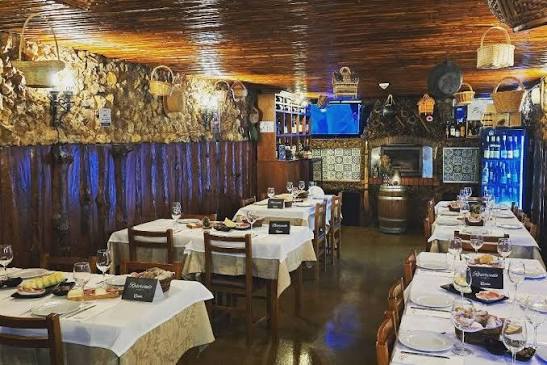
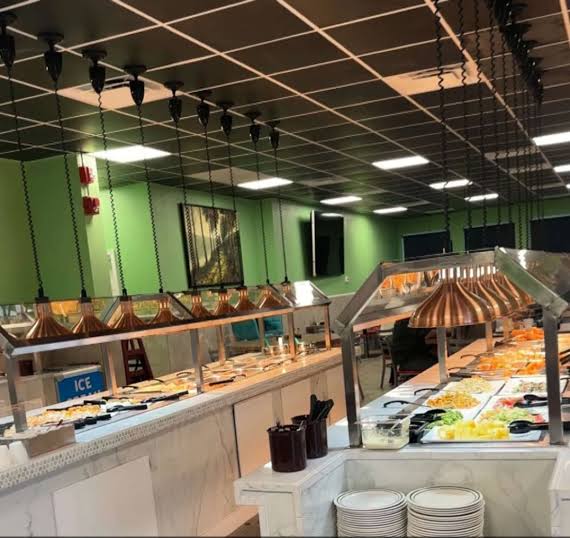
Several details can help diners identify a Chinese restaurant worth visiting. Start by looking at the menu and checking whether it offers a broad selection of traditional dishes rather than relying entirely on generic combinations. A thoughtful menu may describe ingredients, cooking styles, or regional influences. The dining room can also provide useful clues. A clean environment, organized tables, attentive staff, and a comfortable atmosphere create a better foundation for enjoying the food. Restaurant quality ultimately comes from the kitchen, but these details can shape the overall dining experience and show how carefully the establishment approaches hospitality.
Exploring Authentic Chinese Dishes
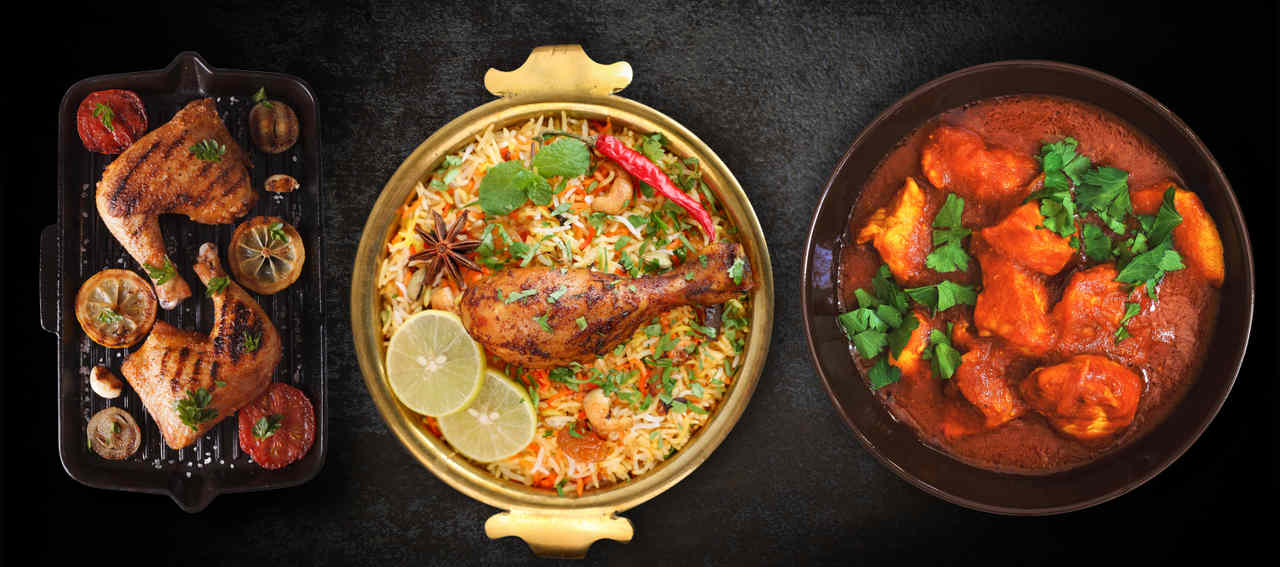
Trying traditional dishes can turn a casual meal into a culinary exploration. Dim sum offers an easy way to sample several specialties because the menu usually includes smaller portions such as steamed dumplings, buns, rice rolls, and savory pastries. Peking duck provides another iconic experience through its crisp skin, tender meat, and carefully prepared accompaniments. Mapo tofu introduces the rich and spicy character associated with Sichuan cooking, while dishes such as kung pao chicken combine savory, spicy, sweet, and aromatic elements. Handmade noodles, fried rice, stir-fried vegetables, roasted meats, and traditional soups can also showcase the versatility of Chinese cooking.
Fresh Ingredients Make a Difference
Ingredient quality plays an important role in authentic Asian dining. Chinese cooking frequently combines simple ingredients with precise preparation, so freshness can have a noticeable effect on the final dish. Crisp vegetables, fresh seafood, quality meats, fragrant herbs, tofu, rice, and noodles each contribute their own texture and flavor. Aromatic ingredients such as ginger, garlic, scallions, and sesame oil can build depth without overpowering the main components. Soy sauce, rice vinegar, fermented bean products, and chili-based seasonings then add further layers. A skilled Chinese restaurant understands how to balance these ingredients instead of allowing one flavor to dominate every dish.
Traditional Chinese Cooking Techniques
Cooking techniques give Chinese cuisine much of its distinctive identity. Stir-frying uses high heat to cook ingredients quickly while helping vegetables retain their texture and aroma. Steaming provides a gentle method for preparing fish, dumplings, buns, and vegetables. Braising allows meat and other ingredients to absorb deeper flavors over time. Roasting develops rich aromas and crisp textures, particularly in dishes involving duck or pork. Deep-frying creates a contrasting crunch, while simmering produces flavorful soups and sauces. These techniques require timing and control, which makes the chef’s skill an important part of the dining experience.

Understanding Family Style Dining
Sharing food remains an important part of many Chinese dining experiences. Instead of ordering one large dish for every person, diners can choose several dishes and place them in the center of the table. This approach allows everyone to sample different flavors, textures, and cooking styles. One table might include a vegetable dish, a noodle specialty, a seafood preparation, roasted meat, and a tofu dish. The variety creates a more dynamic meal and encourages conversation. Family-style dining also works especially well for groups because diners can discover new favorites without committing to an entire individual portion.
Exploring Regional Chinese Flavors
A Chinese restaurant becomes even more interesting when diners explore its regional specialties. Cantonese cuisine often suits people who enjoy clean flavors, fresh seafood, steamed dishes, and carefully balanced sauces. Sichuan food appeals to those who appreciate chili heat and complex spices. Hunan cuisine offers a stronger emphasis on chili and aromatic ingredients. Northern dishes often provide hearty noodles, dumplings, and savory wheat-based foods. Fujian cuisine can highlight seafood, soups, and carefully developed broths. Each region presents its own approach to texture and seasoning, allowing diners to experience Chinese food from several different perspectives.
The Role of Rice and Noodles
Rice and noodles form an important foundation for many Chinese meals. Fried rice can transform simple ingredients into a satisfying dish through high-heat cooking, aromatic seasoning, and carefully balanced textures. Steamed rice offers a neutral base that allows strongly flavored dishes to shine. Noodles provide even more variety, ranging from hand-pulled preparations to stir-fried noodles and soup-based dishes. The texture of the noodles can change the entire experience, particularly when chefs prepare them fresh. Exploring different rice and noodle dishes can therefore reveal another side of Chinese culinary traditions.
Tea and Beverage Pairings
Tea remains a natural companion to Chinese cuisine. Jasmine tea offers a floral aroma, green tea provides a lighter profile, and oolong tea brings a deeper character that can complement richer dishes. Tea can refresh the palate between bites and provide a gentle contrast to spicy, fried, or heavily seasoned food. Diners who prefer non-tea options can also choose sparkling water, fruit drinks, or other refreshing beverages. The ideal pairing depends on the dish, but lighter drinks generally work well when the food already contains strong seasoning.
Restaurant Service Matters
Good hospitality can elevate an already enjoyable meal. Staff who understand the menu can help diners choose dishes based on flavor preferences, spice tolerance, dietary needs, and group size. Clear explanations also make unfamiliar ingredients easier to approach. Timing matters as well, especially when diners order several shared dishes. A well-managed Chinese restaurant can bring dishes to the table at suitable intervals so that hot food remains fresh and enjoyable. Friendly service should support the meal rather than distract from it, creating an environment where diners can relax and explore the menu comfortably.
Making the Most of Authentic Asian Dining
An authentic Asian dining experience often begins with curiosity. Diners can start with familiar dishes and gradually explore specialties that they have never tried before. Regional menus, seasonal ingredients, handmade noodles, traditional dumplings, seafood preparations, and carefully prepared sauces can all reveal new dimensions of Chinese cuisine. Paying attention to aroma, texture, seasoning, and cooking technique can make the experience more rewarding. Rather than focusing only on one famous dish, diners can treat the entire menu as an opportunity to understand how different culinary traditions come together.
Finding Quality in Every Dish
A memorable Chinese restaurant combines several important elements. Fresh ingredients provide the foundation, traditional cooking techniques shape the food, and balanced seasoning brings each dish together. The atmosphere and service then complete the experience. Authenticity does not require every dish to look unfamiliar or use extremely strong flavors. Instead, it comes from respecting the ingredients, understanding the cooking process, and presenting each dish with care. For anyone searching for authentic Asian dining, exploring Chinese cuisine through regional flavors and traditional specialties can open the door to an extensive and rewarding culinary experience.